Modernizing Patient Safety Organizations
Learn how PSOs are leveraging data analytics and a modern platform to manage their PSWP, leverage advanced analytics to identify risks, and improve patient outcomes.
What is a PSO?
Chances are, if you're reading this, then you're already familiar with patient safety organizations (PSOs). But, it never hurts to return to the basics.
In 2005, the Patient Safety and Quality Improvement Act (PSQIA) was passed, that authorized the creation of PSOs. These organizations would help facilitate the collection and analysis of patient safety data from healthcare providers in an effort to improve patient safety and quality of care.
The Agency for Healthcare Research and Quality (AHRQ) is the federal agency that oversees the PSO program, providing resources for creating and running a PSO. After you've applied and become eligible, you will be a listed PSO on the AHRQ website.
In addition to the collection of patient safety data, PSOs are a valuable resource for formalizing patient safety education, hosting safe tables, and improving patient safety culture.
So you're managing a PSO
Your PSO is set up and listed with AHRQ. The providers you work with are eager to improve patient safety.
How can you, leading your PSO, provide the best experience and value to your providers?
PSO Challenges in the Modern Era
Keeping up with PSO policy and regulatory changes is like trying to hit a moving target. The Alliance for Quality Improvement & Patient Safety (AQIPS) is a great organization for staying in the loop with those changes.
At NewVolt, our focus is on the data and analytics challenges that PSOs face.
- Expensive reporting systems that are time-consuming to implement and maintain
- Overcomplicated workflows for collecting patient safety data
- Outdated & rigid technology that doesn't evolve
- Provider demand for better experience and insights into their own data
In developing PSO Pulse, we collaborated with the Hospital Quality Institute (HQI) to solve these very challenges.
What we've learned building PSO Pulse
In working with HQI, Center for Patient Safety (CPS), and other PSOs, we've learned a lot about the challenges they face.
1. Data Collection
Patient safety collection systems require cleaning and mapping data from a variety of systems and sources. That's why we focused on:
- Simplifying the data collection process with a modern interface
- Intelligent mapping to AHRQ and custom taxonomies
- Fast, reliable data collection and processing
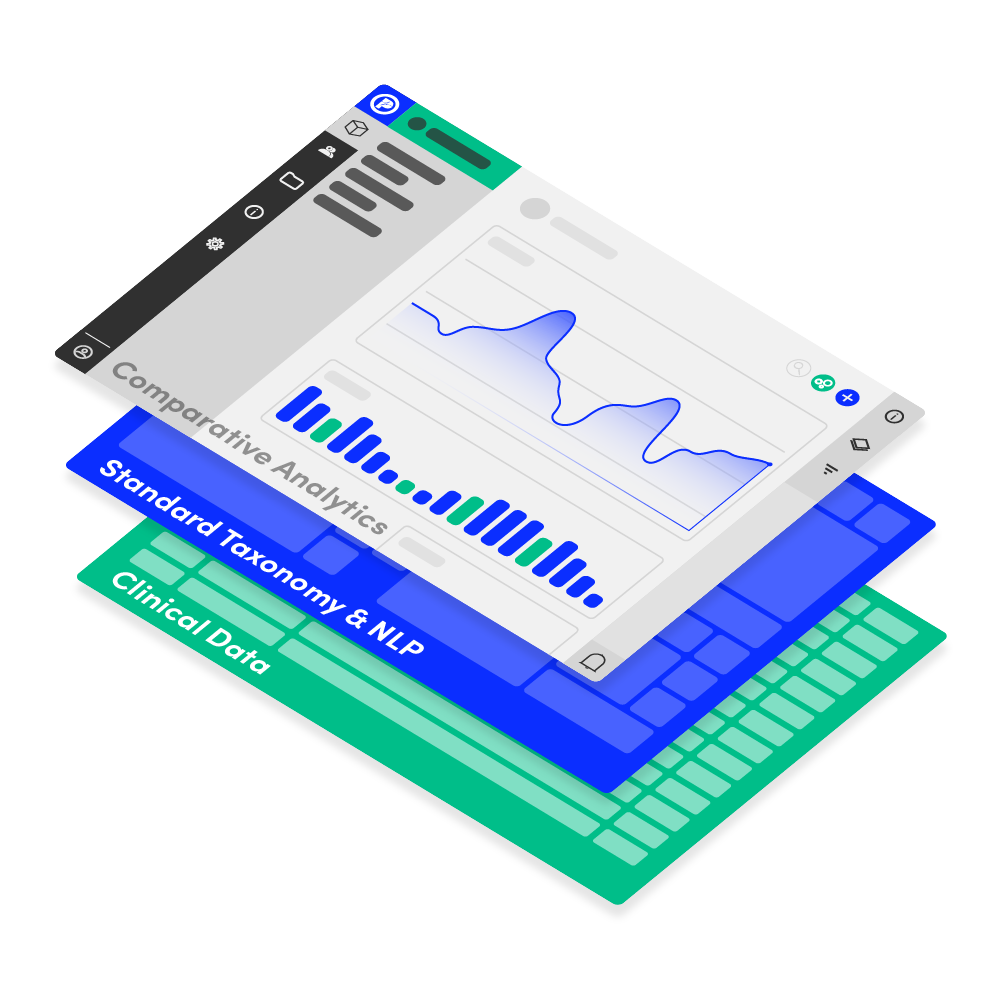
2. Comparative Analytics
Providers want to understand how their patient safety performance compares to their peers. So it was important to build a system that allows for:
- Comparison to similar providers across facility type, size, and location
- PSO to PSO comparisons
- Custom taxonomies and integration of other clinical data sources
3. Signal Detection & Natural Language Processing
PSOs need to be able to distill the massive amounts of patient safety data and free text into actionable insights. That's why we've built features for:
- Detecting patient safety trends within the PSO and provider data
- Extracting clinical information from event descriptions
- AI-powered classification of patient safety events
Takeaways
PSOs looking to improve their workflows should:
- Assess their current system and costs
- Investigate their data collection process
- Define custom taxonomies and metrics that can be tracked
- Listen to providers for ideas on better reporting and analytics
- Learn from other PSOs on better ways to manage their PSWP
Ready to modernize your PSO? Contact us to learn how PSO Pulse can help.